


Common problems in the lubrication of precision machined parts mainly focus on improper lubricant selection, uncontrolled lubrication volume, contamination, and lack of maintenance. These problems can directly lead to decreased equipment precision, accelerated component wear, and even sudden shutdowns.
Incorrect Lubricant Selection
Misuse of General-Purpose Oils: Using ordinary machine oil or grease on a high-speed spindle results in poor heat dissipation, oil film rupture, and bearing burnout.
Viscosity Mismatch: Using high-viscosity lubricants on high-speed components increases operating resistance, causing power waste and temperature rise.
Mixing Different Oils: Mixing different brands or types of grease can cause chemical reactions, producing gels or sediments that clog oil passages.
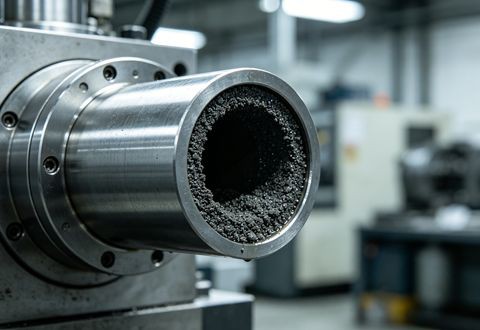
Improper Lubrication Volume Control
Overfilling with Grease: Filling more than 1/3 of the bearing space causes churning and heat generation, a primary cause of bearing temperature rise.
Excessive Oil Level: In oil bath lubrication, the oil level exceeds the center of the ball bearings, increasing churning losses and causing oil temperature rise.
Insufficient oil supply: Clogged distribution valves or insufficient pump pressure in the centralized lubrication system cause localized dry friction.
Lubrication Contamination and Seal Failure
Impurity Intrusion: Aging and damaged seals allow chips, dust, and coolant to mix into the lubrication system, accelerating component wear.
Oil Deterioration: Moisture intrusion causes lubricating oil emulsification, or oxidation at high temperatures produces acidic substances that corrode metal surfaces.
Old Oil Residue: Incomplete cleaning during oil changes leads to mixing of new and old oil, affecting performance.
Improper Maintenance Operations
Neglecting Regular Oil Changes: Failure to change oil regularly leads to aging and evaporation of grease, resulting in loss of lubrication ability.
Disorganized Lubrication Cycles: Failure to adjust the lubrication cycle according to equipment operating conditions; continuing to use the normal maintenance frequency under high-speed and high-temperature environments.
Missing Manual Lubrication: Manual lubrication points are often overlooked due to their hidden locations, causing localized lubrication shortages in guide rails or lead screws.
Lack of Monitoring of Lubrication Condition
Relying solely on experience: The belief that "oil should be changed when it turns black" ignores the normal darkening of oils containing detergents.
No oil quality testing mechanism: Viscosity, moisture, and metal particle content are not regularly tested, making it impossible to implement "oil change based on quality."


