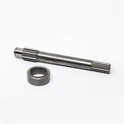
Core structural components such as the chassis, engine block, and transmission housing can generally last a lifetime without replacement, provided there is no major damage or malfunction.
Based on vehicle design and normal use, the following categories of components generally do not require periodic replacement unless abnormal wear, damage, or performance failure occurs:
Core Structural Components
Chassis: As the skeleton of the vehicle body, it can be used indefinitely unless it has experienced a severe collision or extensive corrosion.
Engine Block/Cylinder Head: Under normal maintenance (adequate oil and coolant levels) and without malfunctions such as cylinder scoring or blowout, it does not need to be replaced.
Transmission Housing: If there are no leaks or physical damage, and only issues such as aging gaskets exist, it can be replaced separately; the housing itself does not need to be replaced.
Long-Lasting Functional Components
Timing Chain: Compared to a timing belt, the chain is made of metal and has an extremely long lifespan when properly lubricated with engine oil, generally lasting more than ten years or even a lifetime.
Alternator, starter, and air conditioning compressor: These electrical components have a long lifespan and usually only require repair or replacement when a malfunction occurs.
Electronic control units (ECU, BCM, etc.): As long as they are not exposed to water, short-circuited, or have no fault codes, they can operate stably for a long time.
Other non-wear parts:
Wheel hubs, door hinges, and glass: If there is no damage or deformation, they can be restored to function through simple maintenance (such as lubrication) and do not need to be replaced.
Half shafts and CV joints: These rarely need to be replaced if the dust boots are intact and undamaged.
It is important to note that "never need replacement" does not mean "no need for inspection." The condition of these components should still be monitored during regular maintenance. If any abnormal noises, leaks, or malfunctions are found, they should be repaired promptly.
In addition, spark plugs, brake pads, tires, engine oil, and brake fluid are consumables or safety components that must be replaced periodically or according to their actual condition to ensure driving safety. The most authoritative basis for judgment is the vehicle's owner's manual, although specific regulations may vary between different brands and models.