


Hey there, gearheads! Today, I'm gonna dive into the nitty - gritty of how a Throwout Fork works in a four - wheel - drive vehicle. As a Throwout Fork supplier, I've seen these parts up close and personal, and I'm stoked to share my knowledge with you.

First off, let's understand what a four - wheel - drive vehicle is all about. Four - wheel - drive, or 4WD for short, is a system that allows power to be sent to all four wheels of a vehicle. This is super handy when you're off - roading or dealing with slippery conditions. It gives you better traction and control, which is a big deal.
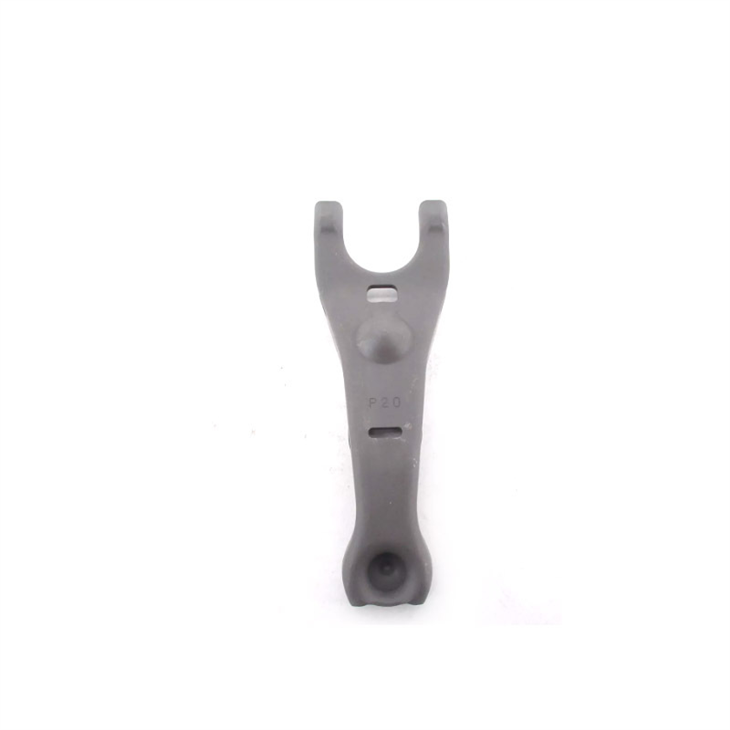
Now, onto the star of the show: the Throwout Fork. A Throwout Fork, as the name suggests, is a crucial part of the clutch system in a manual transmission. You can check out more about it here: Throwout Fork.
The main job of the Throwout Fork is to engage and disengage the clutch. When you press the clutch pedal in your 4WD vehicle, it's the Throwout Fork that makes the magic happen. Here's how it works step by step.
When you push the clutch pedal down, a series of events are set in motion. The pedal is connected to a hydraulic or mechanical linkage. This linkage transfers the force from your foot to the Throwout Fork. The Throwout Fork is usually located inside the transmission housing, near the clutch assembly.
Once the force is transferred to the Throwout Fork, it pivots around a fixed point. This pivoting action causes the fork to push against the clutch release bearing. The clutch release bearing is an important component, and you can learn more about it here: Clutch Release Bearing Sleeve.
The clutch release bearing, when pushed by the Throwout Fork, moves towards the pressure plate of the clutch. The pressure plate is what holds the clutch disc against the flywheel. When the release bearing presses on the pressure plate, it releases the pressure on the clutch disc. This allows the clutch disc to spin freely without being connected to the flywheel. As a result, the engine's power is no longer transmitted to the transmission, and you can shift gears smoothly.
When you release the clutch pedal, the process reverses. The Throwout Fork moves back to its original position, the clutch release bearing moves away from the pressure plate, and the pressure plate clamps the clutch disc back against the flywheel. This re - engages the engine's power to the transmission, and your vehicle can start moving again.
In a four - wheel - drive vehicle, the Throwout Fork has to work in harmony with the rest of the drivetrain. Since 4WD vehicles often operate under more extreme conditions, the Throwout Fork needs to be durable and reliable. It has to withstand the extra stress and torque that comes with off - road driving and heavy - duty use.
Another important aspect is the shift finger. The shift finger is a small but vital part that works in conjunction with the Throwout Fork. You can find more details about it here: Shift Finger. The shift finger helps in precisely controlling the movement of the gears. When the Throwout Fork disengages the clutch, the shift finger helps in selecting the appropriate gear. It ensures that the gears mesh smoothly and accurately, which is crucial for the proper operation of the manual transmission.
Now, let's talk about why having a high - quality Throwout Fork is so important in a four - wheel - drive vehicle. A well - made Throwout Fork can improve the overall performance of your vehicle. It can make gear shifts smoother, reduce wear and tear on the clutch components, and enhance the durability of the transmission.
If you're in the market for a Throwout Fork for your four - wheel - drive vehicle, you want to make sure you're getting a reliable product. As a supplier, I can tell you that we source our Throwout Forks from the best manufacturers. We ensure that they meet the highest quality standards and are designed to handle the demands of 4WD vehicles.
Whether you're a weekend off - roader or a professional in the automotive industry, having a top - notch Throwout Fork can make a huge difference in your driving experience. So, if you're interested in learning more about our Throwout Forks or have any questions about how they work in your four - wheel - drive vehicle, don't hesitate to reach out. We're here to help you make the right choice for your vehicle.
In conclusion, the Throwout Fork is a key component in the clutch system of a four - wheel - drive vehicle. It plays a crucial role in engaging and disengaging the clutch, which is essential for smooth gear shifting. By understanding how it works, you can better maintain your vehicle and ensure its optimal performance. If you're looking for a reliable Throwout Fork for your 4WD, we're here to assist you. Just get in touch, and we can start a conversation about your specific needs.
References:
- General automotive knowledge from years of experience in the industry.
- Technical manuals and specifications from vehicle manufacturers.


