


Selecting the appropriate bearings for a planet gear shaft is crucial for ensuring the smooth operation and longevity of your equipment. As a planet gear shaft supplier, I've seen firsthand how the right bearings can make a significant difference in performance. In this blog, I'll share some insights on how to choose the best bearings for your planet gear shaft.
Understanding the Basics of Planet Gear Shafts
Before diving into bearing selection, it's important to understand what a planet gear shaft is and how it works. Planet gear shafts are part of a planetary gear system, which consists of a central sun gear, multiple planet gears, and an outer ring gear. The planet gears rotate around the sun gear, and the planet gear shafts support these planet gears. This system is commonly used in automotive transmissions, industrial machinery, and aerospace applications.

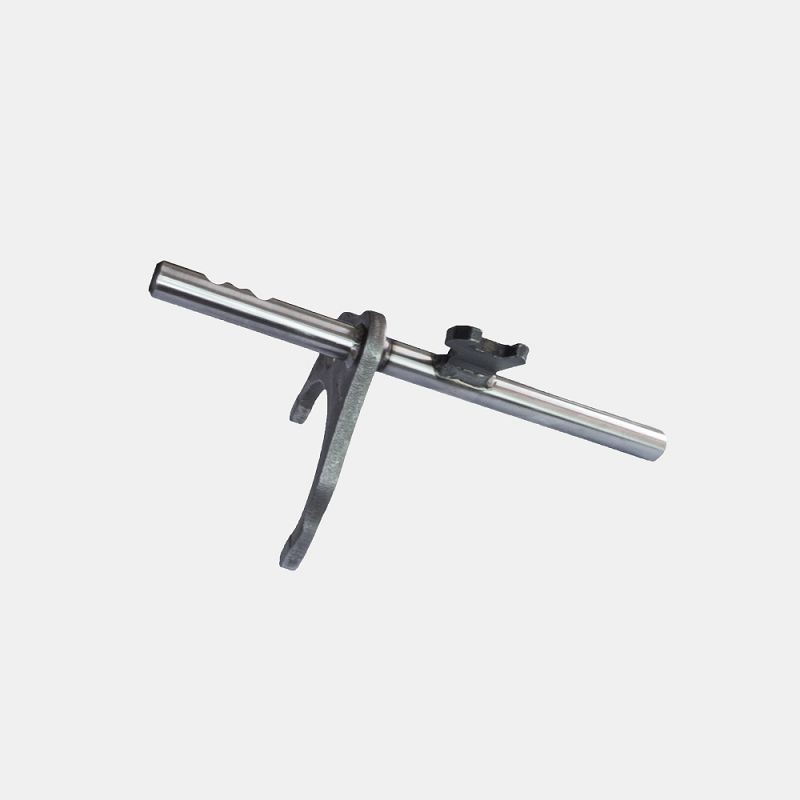
Factors to Consider When Selecting Bearings
There are several factors to consider when choosing bearings for a planet gear shaft. Let's take a look at some of the most important ones.
Load Capacity
The load capacity of a bearing is one of the most critical factors. Planet gear shafts are subjected to various types of loads, including radial, axial, and combined loads. You need to determine the maximum load that the bearing will need to handle. This involves calculating the forces acting on the planet gear shaft, such as the torque transmitted by the gears and the weight of the components. Make sure to choose a bearing with a load capacity that exceeds the expected maximum load to ensure reliability.
Speed Rating
The speed at which the planet gear shaft rotates is another important consideration. Bearings have a maximum speed rating, which indicates the highest rotational speed they can safely handle. If you operate the shaft at a speed higher than the bearing's rating, it can lead to excessive heat generation, premature wear, and even bearing failure. Check the speed requirements of your application and select a bearing with an appropriate speed rating.
Precision and Tolerance
The precision of the bearing is crucial for the smooth operation of the planet gear shaft. Bearings with high precision and tight tolerances can reduce vibration and noise, which is especially important in applications where quiet operation is required. Consider the precision class of the bearing based on your specific requirements. For example, in high - performance automotive transmissions, a higher precision bearing may be necessary.
Lubrication
Proper lubrication is essential for bearing performance. Bearings can be lubricated with grease or oil, and the choice depends on the application. Grease lubrication is often used in applications with lower speeds and less severe operating conditions, while oil lubrication is preferred for high - speed and high - load applications. Make sure to choose a bearing that is compatible with the lubrication method you plan to use.
Environmental Conditions
The environment in which the planet gear shaft operates can also affect bearing selection. If the application is in a dirty or dusty environment, you may need a bearing with better sealing to prevent contaminants from entering. In corrosive environments, bearings made of corrosion - resistant materials, such as stainless steel, may be required.
Types of Bearings for Planet Gear Shafts
There are several types of bearings that can be used for planet gear shafts. Here are some common ones:
Ball Bearings
Ball bearings are widely used in planet gear shafts due to their low friction and high - speed capabilities. They can handle both radial and axial loads, making them suitable for a variety of applications. Ball bearings are available in different designs, such as deep - groove ball bearings and angular - contact ball bearings. Deep - groove ball bearings are suitable for general - purpose applications, while angular - contact ball bearings are better for applications with higher axial loads.
Roller Bearings
Roller bearings can handle higher loads compared to ball bearings. They are available in different types, including cylindrical roller bearings, tapered roller bearings, and spherical roller bearings. Cylindrical roller bearings are good for handling radial loads, while tapered roller bearings can handle both radial and axial loads. Spherical roller bearings are self - aligning, which makes them suitable for applications where misalignment may occur.
Where to Find Related Parts
If you're looking for other related parts for your automotive manual transmission, you might be interested in the following links:
Making the Right Choice
Selecting the appropriate bearings for a planet gear shaft is not a one - size - fits - all process. It requires careful consideration of the factors mentioned above. If you're unsure about which bearing to choose, it's always a good idea to consult with an expert. As a planet gear shaft supplier, I'm here to help you make the right decision. Whether you need advice on bearing selection or have questions about our products, feel free to reach out to us. We can provide you with detailed information and help you find the best bearings for your specific application.
If you're interested in purchasing planet gear shafts or related bearings, don't hesitate to contact us for a procurement discussion. We're committed to providing high - quality products and excellent customer service.
References
- Harris, T. A., & Kotzalas, M. N. (2007). Rolling Bearing Analysis. Wiley.
- Budynas, R. G., & Nisbett, J. K. (2011). Shigley's Mechanical Engineering Design. McGraw - Hill.


