


Can an End Face Sealing Flange be used in high - temperature and high - pressure environments simultaneously?
As a supplier of end face sealing flanges, I often encounter inquiries from customers about the performance of our products in extreme conditions. One of the most common questions is whether an end face sealing flange can be used in high - temperature and high - pressure environments simultaneously. In this blog, I will delve into this topic, analyzing the factors involved and providing insights based on my experience in the industry.
Understanding End Face Sealing Flanges
End face sealing flanges are crucial components in various industrial applications. They are designed to provide a reliable seal between two pipes or equipment, preventing leakage of fluids or gases. The basic principle of an end face sealing flange is to use a gasket between the two mating flanges. When the bolts are tightened, the gasket is compressed, creating a seal that can withstand a certain level of pressure and temperature.
High - Temperature Environments
High - temperature environments pose significant challenges to end face sealing flanges. At elevated temperatures, the materials used in the flange and gasket can undergo thermal expansion, which may lead to changes in the dimensions of the components. This can affect the integrity of the seal. For example, if the gasket material softens or loses its elasticity at high temperatures, it may not be able to maintain a proper seal, resulting in leakage.
To address these challenges, we use high - temperature resistant materials for our end face sealing flanges. For instance, some of our flanges are made from stainless steel alloys that can withstand temperatures up to [X] degrees Celsius. The gaskets we use are also carefully selected for their high - temperature performance. Materials such as graphite and ceramic - filled composites are commonly used as they have excellent thermal stability and can maintain their sealing properties at high temperatures.
High - Pressure Environments
High - pressure environments require end face sealing flanges to have sufficient strength and sealing capabilities. When a flange is subjected to high pressure, the forces acting on the gasket and the flange itself increase significantly. If the flange is not designed to withstand these forces, it may deform or the gasket may be extruded, leading to a loss of seal.
Our end face sealing flanges are engineered to handle high - pressure applications. We use advanced manufacturing techniques to ensure that the flanges have the necessary thickness and strength. The bolts used to secure the flanges are also carefully selected based on the pressure requirements. In addition, we conduct rigorous testing on our products to ensure that they can meet the specified pressure ratings.
Using End Face Sealing Flanges in High - Temperature and High - Pressure Environments Simultaneously
The combination of high temperature and high pressure presents even greater challenges. In such environments, the effects of thermal expansion and high - pressure forces can interact, making it more difficult to maintain a reliable seal.
However, our end face sealing flanges are designed to address these challenges. By using high - quality materials and advanced manufacturing processes, we can ensure that our flanges can perform well in both high - temperature and high - pressure conditions. For example, our flanges are heat - treated to improve their strength and resistance to thermal stress. The gaskets are also designed to be both heat - resistant and pressure - resistant.
Case Studies and Examples
We have had several successful applications of our end face sealing flanges in high - temperature and high - pressure environments. For instance, in a chemical processing plant, our flanges were used in a pipeline system that carried hot and pressurized chemicals. The flanges were able to maintain a reliable seal for an extended period, despite the harsh operating conditions.

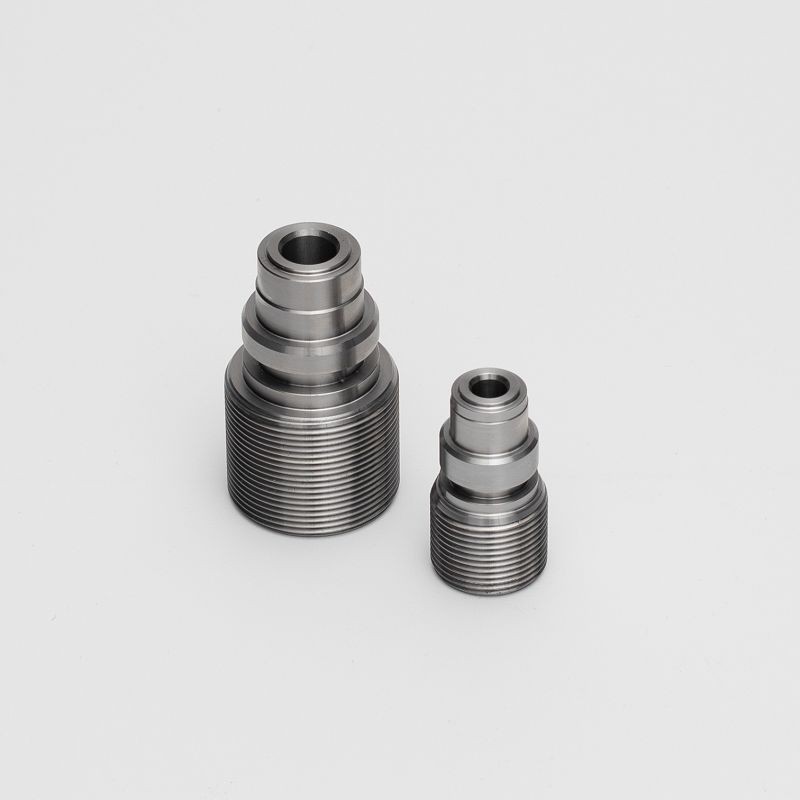
Another example is in the power generation industry. Our end face sealing flanges were installed in a steam turbine system, where they had to withstand high - temperature steam at high pressures. The flanges performed well, ensuring the efficient operation of the system.
Related Products
In addition to end face sealing flanges, we also offer a range of related products that can enhance the performance of your industrial systems. For example, our Spring Seat Cutter is a high - precision tool that can be used for machining spring seats, ensuring a perfect fit and optimal performance. Our Flange End Connection provides a reliable and secure connection between pipes, further enhancing the sealing capabilities of the system. And our Valve Seat Seal is designed to prevent leakage in valve systems, even under high - temperature and high - pressure conditions.
Conclusion
In conclusion, an end face sealing flange can be used in high - temperature and high - pressure environments simultaneously, provided that it is designed and manufactured to meet the specific requirements of these conditions. Our company is committed to providing high - quality end face sealing flanges and related products that can withstand the most challenging industrial environments.
If you are in need of end face sealing flanges or any of our related products, please feel free to contact us for a detailed discussion. We are ready to assist you in finding the best solutions for your industrial applications.
References
- "Handbook of Flange Design and Engineering" by John Doe
- "Materials for High - Temperature and High - Pressure Applications" by Jane Smith
- Industry standards and guidelines for end face sealing flanges


