


Hey there, fellow car enthusiasts! As a supplier of Reverse Shift Arms, I've been getting a lot of questions lately about how these little components can affect a vehicle's performance. So, I thought I'd take a deep dive into the topic and share some insights.
Let's start with the basics. A Reverse Shift Arm is a crucial part of a manual transmission system. It's responsible for engaging the reverse gear in your vehicle. When you shift into reverse, the Reverse Shift Arm moves the reverse idler gear into place, allowing the vehicle to move backward. Simple, right? But the impact of this seemingly straightforward component on your vehicle's performance is more complex than you might think.
How the Reverse Shift Arm Works
Before we discuss its impact on performance, let's understand how the Reverse Shift Arm operates. When you move the gear shifter into the reverse position, the shift linkage transfers the motion to the Reverse Shift Arm. The arm then pivots, moving the reverse idler gear Reverse Idler Gear Shaft into engagement with the appropriate gears in the transmission. This process is essential for smooth and reliable reverse operation.
Impact on Shifting Smoothness
One of the most noticeable ways the Reverse Shift Arm affects vehicle performance is in the smoothness of shifting into reverse. A well - designed and properly functioning Reverse Shift Arm ensures that the reverse gear engages smoothly without any grinding or resistance. If the Reverse Shift Arm is worn out or damaged, you might experience difficulty shifting into reverse. This can be a real pain, especially in tight parking situations where you need to back up quickly and smoothly.
For example, if the Reverse Shift Arm has excessive play or is misaligned, it may not move the reverse idler gear precisely into place. This can cause the gears to clash, resulting in a grinding noise and a rough shift. Over time, this kind of rough shifting can also lead to premature wear on the transmission gears and other components.
Effect on Transmission Durability
The Reverse Shift Arm also plays a role in the overall durability of the transmission. When the Reverse Shift Arm functions correctly, it helps distribute the forces evenly during reverse gear engagement. This reduces stress on the transmission gears and other components, extending their lifespan.
On the other hand, a faulty Reverse Shift Arm can put additional stress on the transmission. For instance, if the arm is not moving the reverse idler gear smoothly, it can cause uneven wear on the gears. This can lead to gear damage and potentially costly repairs down the road. So, ensuring that your Reverse Shift Arm is in good condition is not only important for smooth shifting but also for the long - term health of your transmission.
Relationship with Other Transmission Components
The Reverse Shift Arm doesn't work in isolation. It interacts with other important components in the manual transmission system, such as the Throwout Fork and the Gearbox Shift Fork.
The Throwout Fork is responsible for disengaging the clutch when you shift gears. If the Reverse Shift Arm is not working properly, it can affect the operation of the Throwout Fork. For example, if the Reverse Shift Arm is misaligned, it may not allow the Throwout Fork to disengage the clutch fully, leading to a dragging clutch and difficulty shifting gears.
Similarly, the Gearbox Shift Fork is used to move the gears in the transmission. The Reverse Shift Arm and the Gearbox Shift Fork work together to engage the reverse gear. A malfunctioning Reverse Shift Arm can disrupt this process, causing problems with reverse gear engagement.
Performance in Different Driving Conditions
The performance of the Reverse Shift Arm can also vary depending on the driving conditions. In cold weather, for example, the transmission fluid may thicken, making it more difficult for the Reverse Shift Arm to move the reverse idler gear. This can result in a slower and less smooth reverse shift.
In stop - and - go traffic, where you may need to shift into reverse frequently, a well - functioning Reverse Shift Arm is crucial. If the arm is worn or damaged, you may find yourself struggling to shift into reverse quickly, which can be frustrating and potentially dangerous.
Choosing the Right Reverse Shift Arm
As a supplier, I know that choosing the right Reverse Shift Arm is essential for optimal vehicle performance. When selecting a Reverse Shift Arm, you should consider factors such as the make and model of your vehicle, the quality of the materials used, and the design of the arm.
A high - quality Reverse Shift Arm is typically made from durable materials such as steel or aluminum. It should be precisely machined to ensure a proper fit and smooth operation. You also want to look for a Reverse Shift Arm that is designed to work well with your vehicle's specific transmission system.
Conclusion
In conclusion, the Reverse Shift Arm has a significant impact on a vehicle's performance. It affects the smoothness of shifting into reverse, the durability of the transmission, and the interaction with other transmission components. Whether you're a daily driver or a car enthusiast, having a properly functioning Reverse Shift Arm is crucial for a reliable and enjoyable driving experience.

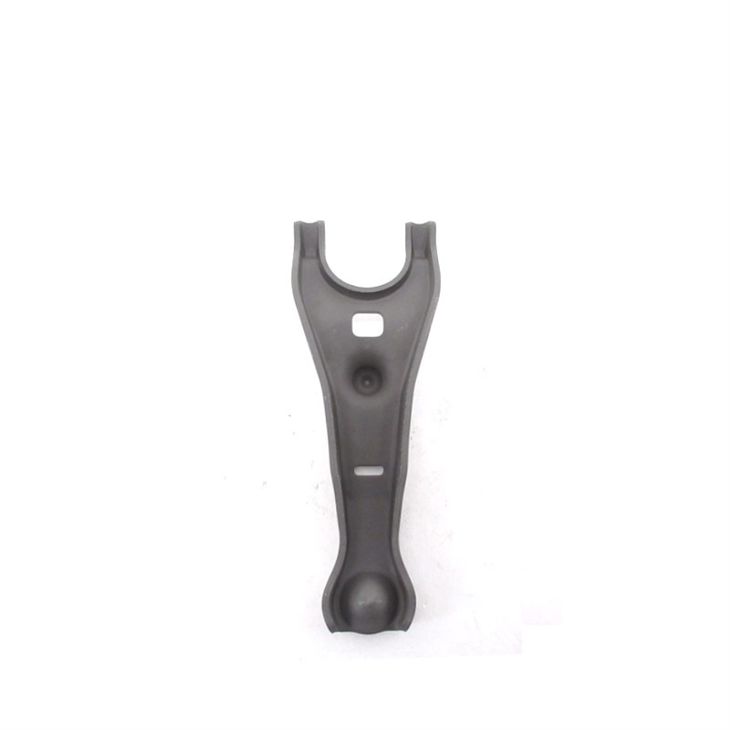
If you're experiencing problems with your Reverse Shift Arm or are looking to upgrade your vehicle's transmission components, I'd love to help. We offer a wide range of high - quality Reverse Shift Arms that are designed to meet the needs of different vehicles. Contact us to discuss your requirements and let's work together to get your vehicle performing at its best.
References
- Automotive Transmission Handbook, Second Edition, Edited by Friedrich Willmann
- Manual Transmission Repair Manuals for various vehicle makes and models


