


Hey there, gearheads and automotive enthusiasts! As a supplier of Gearbox Shift Forks, I've seen my fair share of wear and tear on these crucial components. Today, I'm gonna share some tips on how to prevent damage to a gearbox shift fork.
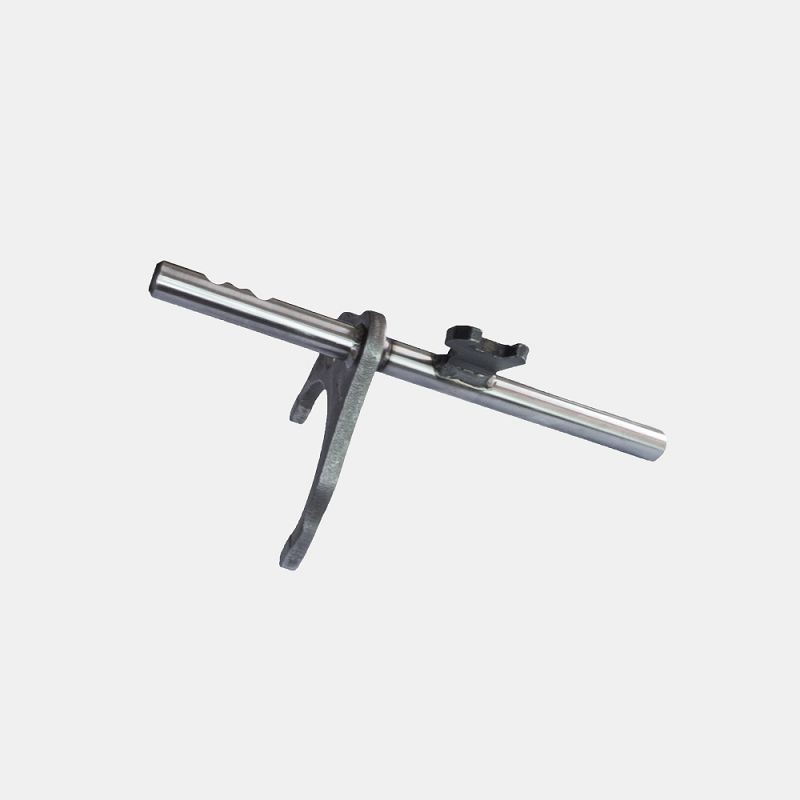
First off, let's talk about what a gearbox shift fork does. It's a small but mighty part that plays a big role in your vehicle's transmission. The shift fork moves the synchronizer sleeves, which engage the gears, allowing you to change gears smoothly. If the shift fork gets damaged, it can lead to all sorts of problems, like difficulty shifting, grinding gears, or even complete transmission failure.
So, how can you prevent damage to your gearbox shift fork? Here are some key tips:
1. Use the Right Fluid
The transmission fluid is like the lifeblood of your gearbox. It lubricates the moving parts, reduces friction, and helps to dissipate heat. Using the wrong type of fluid can cause excessive wear on the shift fork and other components. Make sure to use the fluid recommended by your vehicle's manufacturer. Check the owner's manual or consult a professional mechanic if you're not sure.
2. Shift Properly
One of the most common causes of shift fork damage is improper shifting. Avoid slamming the gears or shifting too quickly. This can put a lot of stress on the shift fork and cause it to bend or break. Instead, shift smoothly and gradually, using the clutch properly. Take your time and let the gears engage fully before releasing the clutch.
3. Avoid Overloading
Overloading your vehicle can put extra strain on the gearbox and the shift fork. If you're carrying a heavy load, make sure to distribute the weight evenly and avoid sudden acceleration or deceleration. This can help to reduce the stress on the shift fork and prevent damage.
4. Regular Maintenance
Regular maintenance is key to keeping your gearbox and shift fork in good condition. Have your transmission fluid changed at the recommended intervals, and have your vehicle inspected by a professional mechanic regularly. They can check for signs of wear and tear on the shift fork and other components and make any necessary repairs or replacements.
5. Upgrade to High-Quality Parts
If you're looking to improve the performance and durability of your gearbox, consider upgrading to high-quality parts. At our company, we offer a wide range of Gearbox Shift Fork that are made from high-strength materials and designed to withstand the rigors of daily use. Our shift forks are precision-engineered to provide smooth and reliable shifting, and they're backed by our satisfaction guarantee.
6. Check for Signs of Wear
Keep an eye out for signs of wear and tear on your shift fork. If you notice any difficulty shifting, grinding gears, or other problems, it could be a sign that the shift fork is damaged. Have your vehicle inspected by a professional mechanic as soon as possible to prevent further damage.
7. Replace Worn Parts
If your shift fork is worn or damaged, it's important to replace it as soon as possible. Continuing to use a damaged shift fork can cause further damage to the gearbox and other components, and it can also be dangerous. At our company, we offer a wide range of replacement Gearbox Shift Fork that are designed to fit your vehicle perfectly.
8. Consider Upgrading to a Heavy-Duty Shift Fork
If you use your vehicle for heavy-duty applications, such as towing or off-roading, you may want to consider upgrading to a heavy-duty shift fork. These shift forks are designed to withstand the extra stress and strain of heavy use, and they can help to prevent damage to your gearbox.
9. Be Careful When Working on Your Transmission
If you're working on your transmission, be careful not to damage the shift fork. Make sure to follow the manufacturer's instructions and use the proper tools. If you're not comfortable working on your transmission, it's best to leave it to a professional mechanic.
10. Keep Your Vehicle Clean
Keeping your vehicle clean can help to prevent damage to the shift fork and other components. Dirt, debris, and moisture can cause corrosion and wear on the shift fork, so make sure to keep your vehicle clean and dry.
In conclusion, preventing damage to a gearbox shift fork is all about taking good care of your vehicle and using the right parts. By following these tips, you can help to ensure that your gearbox and shift fork stay in good condition for years to come.
If you're in the market for a high-quality Gearbox Shift Fork, or if you have any questions about preventing damage to your gearbox, please don't hesitate to contact us. We're here to help you keep your vehicle running smoothly and safely.
References:

- Automotive Transmission Handbook
- Vehicle Maintenance Manuals


